 Image 1 of 1
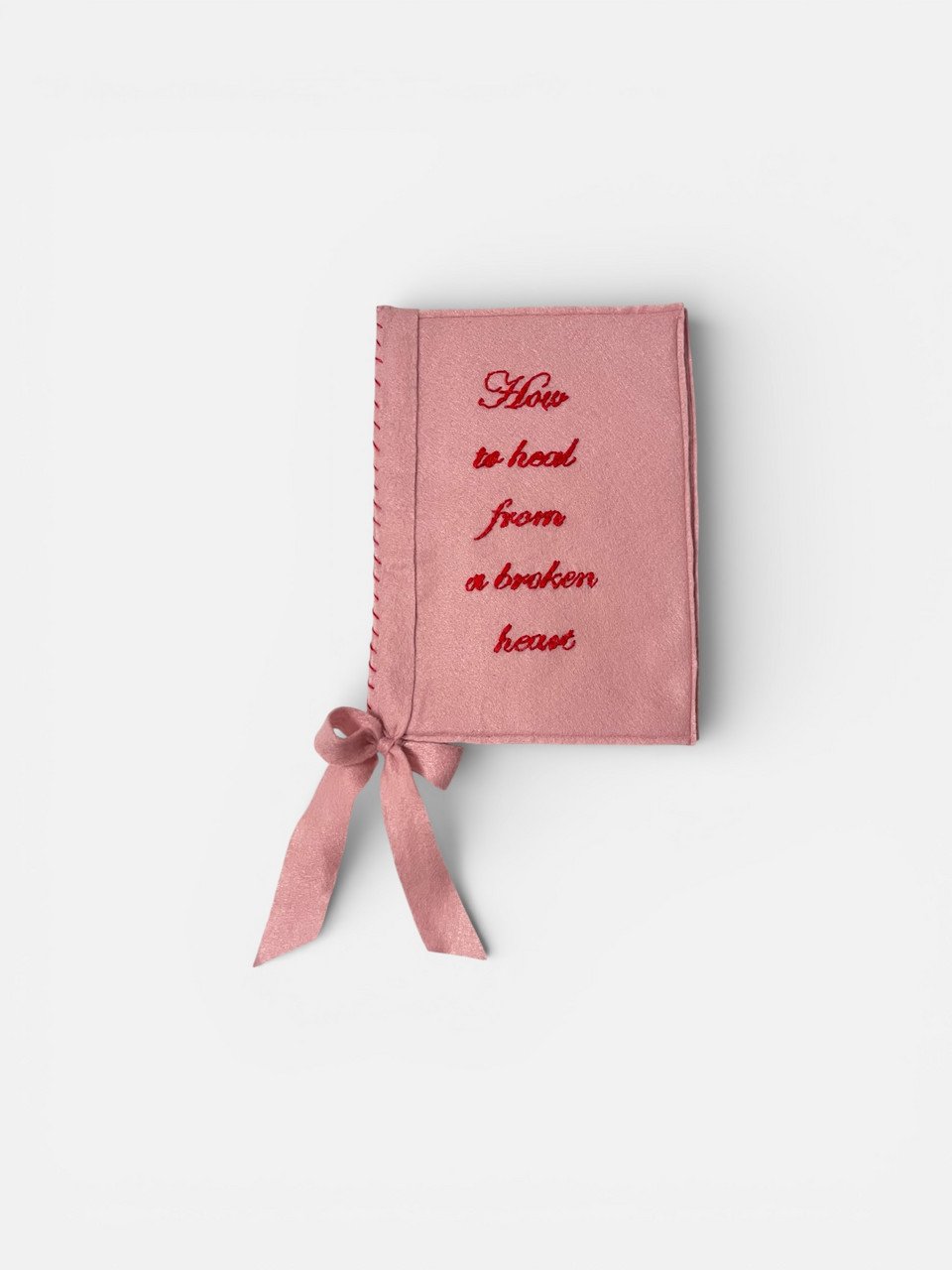
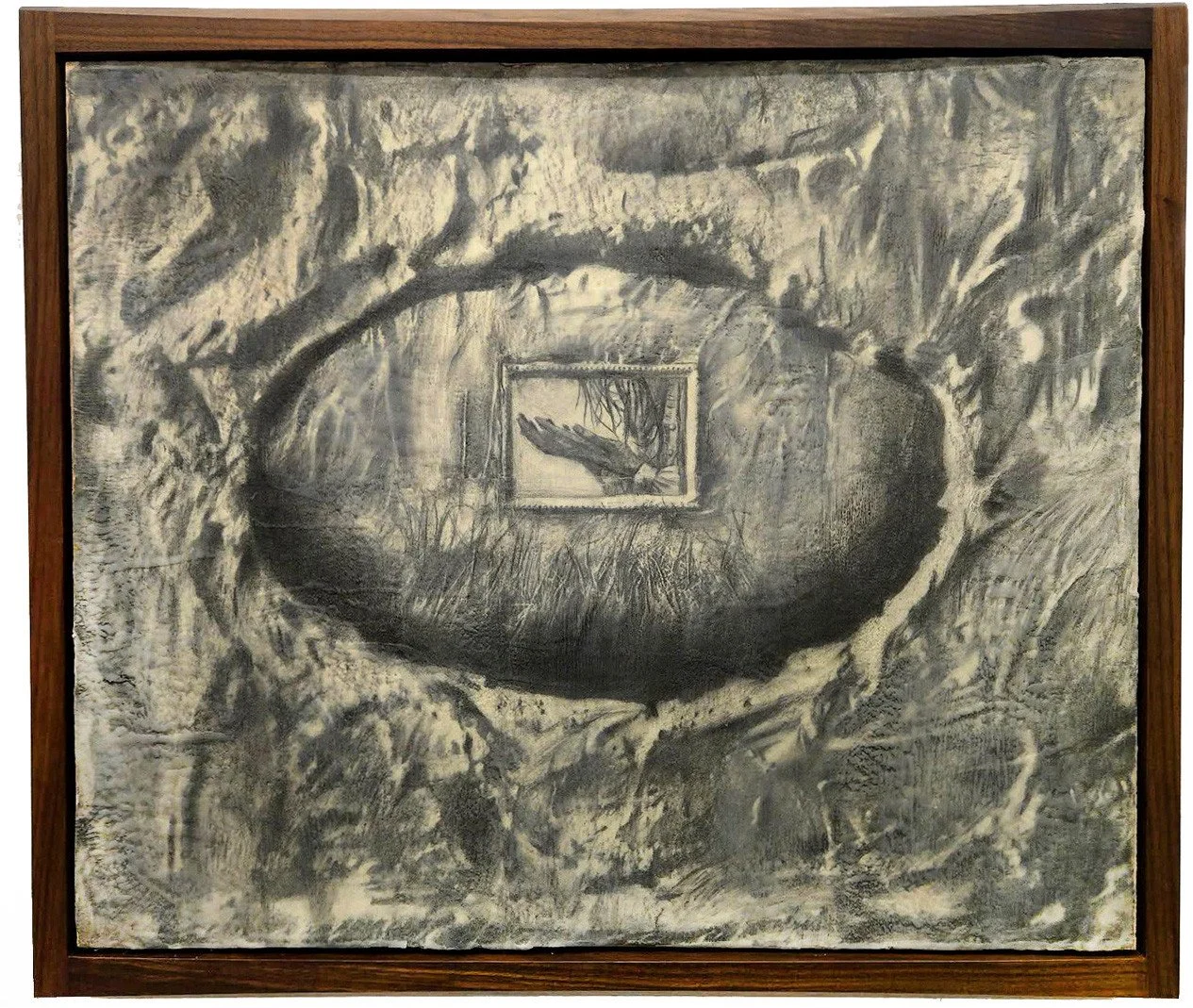
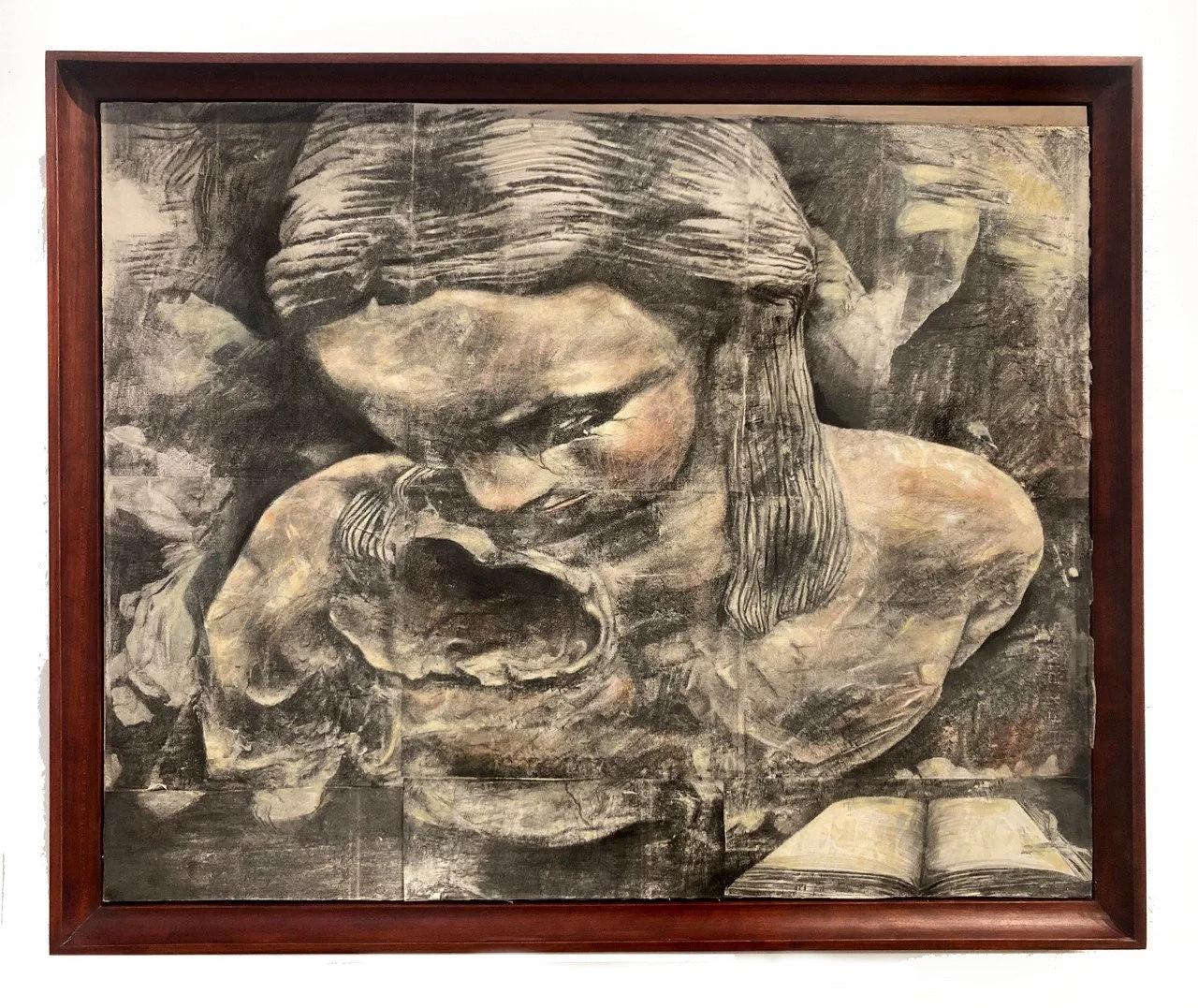
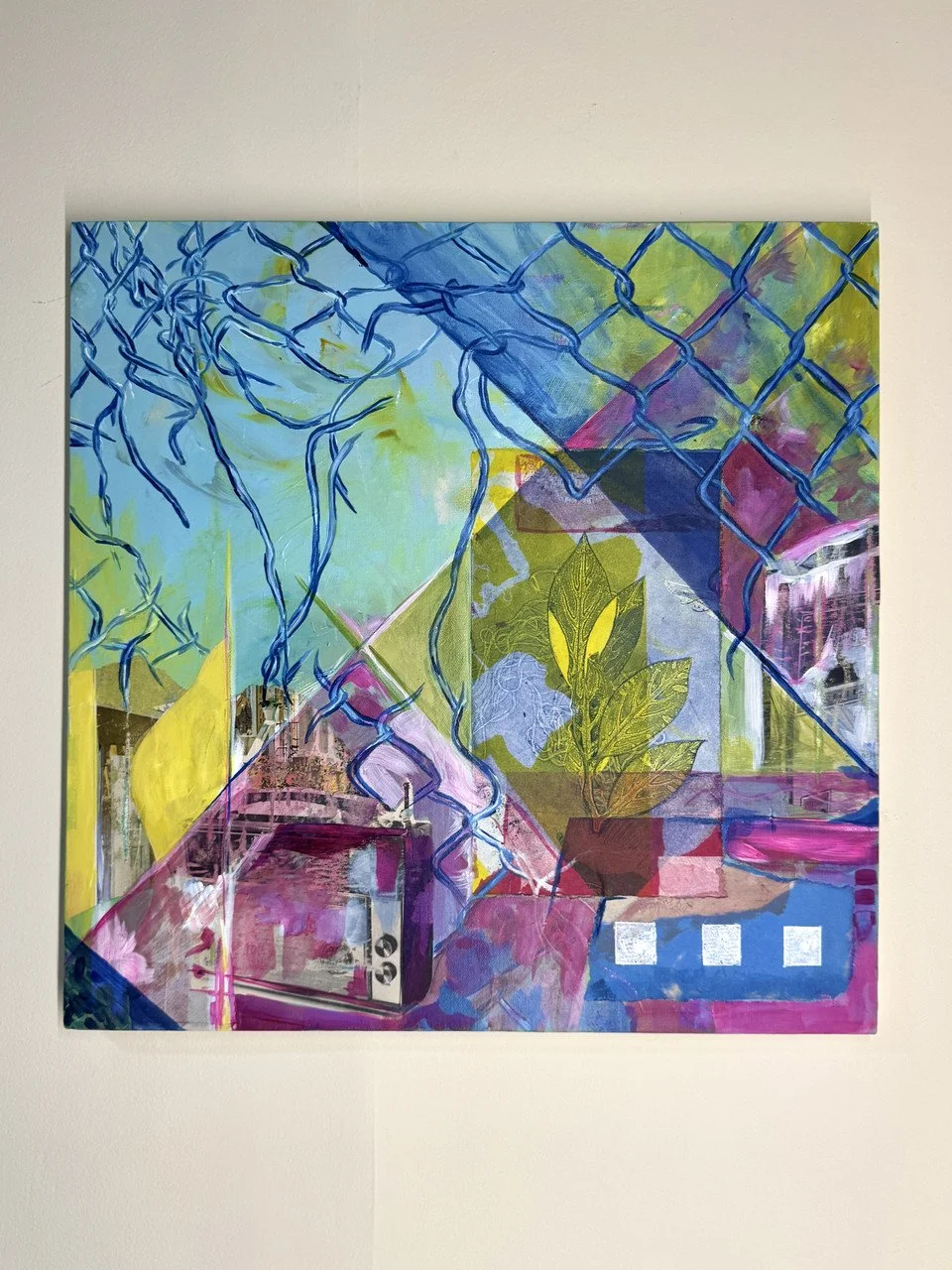
Jumbo, 18 x 18 in, Mixed media (acrylic, pastel, collaged prints) on canvas, $780
Beth Coleman is a Philadelphia-based mixed media artist who earned her Bachelor of Fine Arts with an emphasis in printmaking from the University of Georgia in 2025. Her artistic journey began with non-objective painting, but her exploration of printmaking and papermaking opened up new possibilities beyond the boundaries of a traditional canvas.
By merging these media with collage and painting, Beth creates layered, tactile work that reflects themes of renewal, growth, and emotional development. Her art often incorporates botanical elements as motifs for transformation, using process as a way to explore and understand the complexities of life.
For Beth, the act of making is just as important, if not more so, than the final product. Her practice is rooted in emotional release and introspection, grounded in a belief that meaning is found through the process itself. She approaches each piece as an invitation to engage visually, socially, and emotionally, embracing experimentation and play as essential parts of her creative language.
Beth believes this raw, honest connection to her work is what makes it meaningful, not only to herself but to those who experience it.
My making is a never-ending quest to understand myself and the world around me. I work across multiple mediums, often combining and experimenting with several materials simultaneously. I merge printmaking, papermaking, collage, and painting to continue my exploration into the growth, renewal, and the emotional charge that comes from giving materials a second life. When I think about piecing together old works into new works, this transformation of dead materials are parallel to the emotional growth that my practice brings to me. I am constantly considering the idea of putting myself back together through my work. I often incorporate naturalistic elements such as leaves, nests, and hills into my work, using them as markers of my place within the environment and as symbols of the life cycles those forms embody.
Jumbo, 18 x 18 in, Mixed media (acrylic, pastel, collaged prints) on canvas, $780
Beth Coleman is a Philadelphia-based mixed media artist who earned her Bachelor of Fine Arts with an emphasis in printmaking from the University of Georgia in 2025. Her artistic journey began with non-objective painting, but her exploration of printmaking and papermaking opened up new possibilities beyond the boundaries of a traditional canvas.
By merging these media with collage and painting, Beth creates layered, tactile work that reflects themes of renewal, growth, and emotional development. Her art often incorporates botanical elements as motifs for transformation, using process as a way to explore and understand the complexities of life.
For Beth, the act of making is just as important, if not more so, than the final product. Her practice is rooted in emotional release and introspection, grounded in a belief that meaning is found through the process itself. She approaches each piece as an invitation to engage visually, socially, and emotionally, embracing experimentation and play as essential parts of her creative language.
Beth believes this raw, honest connection to her work is what makes it meaningful, not only to herself but to those who experience it.
My making is a never-ending quest to understand myself and the world around me. I work across multiple mediums, often combining and experimenting with several materials simultaneously. I merge printmaking, papermaking, collage, and painting to continue my exploration into the growth, renewal, and the emotional charge that comes from giving materials a second life. When I think about piecing together old works into new works, this transformation of dead materials are parallel to the emotional growth that my practice brings to me. I am constantly considering the idea of putting myself back together through my work. I often incorporate naturalistic elements such as leaves, nests, and hills into my work, using them as markers of my place within the environment and as symbols of the life cycles those forms embody.